The key to turf IPM is the use of cultural practices that optimize growth of grasses and minimize conditions favourable to pest insects, weeds, or pathogens. Landscape Ontario’s Integrated Pest Management (IPM) Symposium has been a uniquely respected event since 1965.
Pricing:
$75 Member / $100 Non member / $25 Student or Educator includes full replay access to 2022 IPM Symposium, originally aired live on January 6, 2022.
Access link will be in your registration confirmation.
This session will focus on pests as indicators for poor soil fertility. Emphasis will be placed on visual diagnosis as well as practical applications in terms of soil amendment. In support of the main points, we will touch briefly on plant physiology and nutrient uptake as it relates to turfgrass.
Greg Patterson was one of the principal founding members of A&L Canada and is currently President and CEO and acts as the chief agronomist. His primary role is corporate administration, and customer support and service. Mr. Patterson obtained an honors degree in agriculture from the University of Guelph in 1978 and has been a professional agronomist for over thirty years. He works closely with all agricultural clients to support the service provided by his company. He was one of the first people in Canada to earn the designation as a Certified Crop Advisor. As part of ongoing customer support, he personally conducts in-depth agronomy and fertility training seminars for field, horticultural and specialty crops, including turf, viticulture, and silviculture.
Break
Turfgrass endophytes: fungi and bacteria to enhance turf growth, abiotic stress tolerance and pest resistance
Dr. James F. White, Jr. | Department of Plant Biology, Rutgers, The State University of New Jersey
This session will focus on the biology and applications of fungal and bacterial endophytes in turf grasses. The presentation will include coverage of bacterial endophytes and the rhizophagy cycle as well as applications of fungal endophytes.
James F. White is Professor of Plant Biology at Rutgers University where he and students conduct research on beneficial microbes that inhabit plant tissues and soils. Dr. White obtained the B.S. and M.S. degrees in Botany and Plant Pathology from Auburn University, and the Ph.D. in Botany/Mycology from the University of Texas at Austin. Dr. White is the author of more than 240 articles, and author and editor of reference books on the biology of endophytes, including Biotechnology of Acremonium Endophytes of Grasses (1994), Microbial Endophytes (2000), The Clavicipitalean Fungi (2004), The Fungal Community: Its Organization and Role in the Ecosystem (2005, 2017), Defensive Mutualism in Microbial Symbiosis (2009), Seed Endophytes: Biology and Biotechnology (2019) and Microbiome Stimulants for Crops: Mechanisms and Applications (2021). Dr. White is a fellow of the American Association for the Advancement of Science (AAAS), and Associate Editor for journals Symbiosis, Fungal Ecology, Mycoscience, and Scientific Reports, and also serves as the Chief Editor for the Plant-Microbe Interactions Section of the MDPI journal Microorganisms. Currently, Dr. White serves as the review editor for journal Symbiosis.
Break
Cultivars, products, and management. Current applied research for turfgrass management
Eric Lyons, Ph.D. | Guelph Turfgrass Institute | University of Guelph
Sara Stricker, Ph.D. | Guelph Turfgrass Institute | University of Guelph
Applied research in turfgrass management is a primary objective of the Guelph Turfgrass Institute. Each year numerous research projects are performed to advance knowledge of turfgrass management, focusing on new products, cultivars and management ideas from our industry partners. This session will present research that directly impacts management decisions regarding weeds, soil hydrophobicity and diseases with an emphasis on maximizing the environmental and societal benefits of turfgrasses.
Dr. Eric Lyons is an Associate Professor in the Department of Plant Agriculture and Director of the Guelph Turfgrass Institute at the University of Guelph. Dr. Lyons specializes in nutrient management, stress physiology and plant competition in pasture, prairies and turfgrasses. Research interests include physiology of winter hardiness and methods for creating resilient landscapes for agronomy and functional horticulture. In addition, Dr. Lyons oversees extensive testing of new emerging products for turfgrass managers and focusses on outreach and education to further the turfgrass industry.
Sara Stricker is the Communications and Outreach Coordinator at the Guelph Turfgrass Institute. Sara recently completed her Ph.D. degree at the Plant Agriculture Department at the University of Guelph, specializing in plant pathology. During her Master of Science degree, she studied possible effects of predicted climate change conditions on the severity of Microdochium patch on creeping bentgrass cultivars. As a plant pathologist and educator, Sara is very involved in several professional organizations including the Canadian Phytopathological Society and the Canadian Association for Girls in Science. She has a passion for science, education, and plant pathology and enjoys giving educational presentations.
Update from the Ministry of the Environment, Conservation and Parks
Scott Olan, BSc (Agri) | Ministry of the Environment, Conservation and Parks
This presentation will provide an overview of MECP’s pesticide program along with inspection and compliance updates. This session will discuss the do’s and don’ts of pesticide use in Ontario along with any upcoming program changes. In addition, Scott will outline a typical MECP inspection and provide answers to common questions received over the past year.
Scott has been a Regional Pesticides Specialist with the Ministry of the Environment, Conservation and Parks in Eastern Region since 2005. Prior to joining the Ministry, Scott spent many years working in landscape maintenance, pest control and snow removal. He has been a licensed exterminator for over 35 years, holds a Bachelor of Science in Agriculture Degree (Horticulture) from the University of Guelph and continues to learn at workshops and conferences. Scott works with pesticide licence holders, the public, committees, groups, and agencies providing guidance on Ontario’s pesticides legislation.
Break
IPM in the Flower Garden: Moving from the theoretical to the practical
Rodger Tschanz, MSc | University of Guelph – Plant Agriculture
This session will look at some of the common and less common disease and insect pests found in the flower garden and discuss practical approaches to the management of those pests. Specific diseases to be covered will include grey mold, white mold, Impatiens downy mildew and powdery mildew. Insect pests to be discussed will include aphids, thrips and Japanese beetle. Other concerns in the flower garden such as deer, ground hogs and rabbits will also be addressed.
Rodger Tschanz is horticultural research technician at the University of Guelph in the Department of Plant Agriculture. Since beginning his career at the University in 1989 he has worked with a wide range of horticultural crops ranging from edibles such as apples and onions to greenhouse crops such as roses and tropicals and in his role as Trial Garden Garden Manager for the past two decades has worked on bedding plants and perennials in both the greenhouse and the gardening landscape. During that time he has encountered and tackled a number of gardening problems involving insect and disease pests.
Break
Common Diseases in Turf Management
Dr. Paul Koch, Ph.D. | University of Wisconsin – Madison
There are numerous common diseases that can cause significant damage to lawns in Ontario. In this presentation we will discuss which diseases are becoming more damaging in response to climate change, how to identify them, and non-chemical solutions to limit their damage.
Paul’s research focuses primarily on developing precision disease management strategies for snow mold and dollar spot in turfgrass and investigating the fate and impact of turfgrass pesticides in the environment. Paul also oversees the University of Wisconsin’s Turfgrass Diagnostic Lab and the UW Turfgrass Fungicide Testing Program.
Break
Connecting the Dots: Plant Diversity, Pollinators & Pest Management
Joe Boggs | Ohio State University Extension – OSU Dept. of Entomology
Protecting plant pollinators is commonly viewed as only an insecticide use issue. However, we must think more broadly. Pest management and plant pollinators are two sides of the same coin in urban landscape ecosystems. How does the abundance of flowering plants translate into a decreased number of plant pests? How do pollinators themselves play a critical role in the reduced need for insecticides? This presentation reveals the multi-layered connections between pollen, nectar, and a parade of unsung insect heroes that keep pests in check.
This session is eligible for CEUs from ISA. For ISA CEUs, the code # will be displayed at the end of the session, please email info@isaontario.com with the CEU Code # and date you watched the session.
Joe Boggs is an Assistant Professor with OSU Extension, Hamilton County, and the OSU Department of Entomology. He has 29 years of Extension experience specializing in tree and shrub diagnostics and pest management and has served as a state-wide specialist. Boggs averages over 100 teaching presentations per year and has published articles in the Tree Care Industry Association (TCIA) Magazine, Landsculptor (Michigan Green Industry Association), the Buckeye Arborist (Ohio Nursery and Landscape Association), the Society of Commercial Arboriculture Newsletter, and the Canadian Groundskeeper. He is a frequent contributor to the Buckeye Yard and Garden Line (BYGL) blog [bygl.osu.edu]. Boggs also has a weekly radio segment, "Buggy Joe Boggs Report," which runs from April through October on the Saturday morning show, “In the Garden with Ron Wilson,” (iHeartRadio: WKRC, Cincinnati; News Radio 610 WTVN, Columbus). The Cincinnati show is syndicated to 34 radio stations in 12 states.
Greg Patterson Eric Lyons Scott Olan James White Joe Boggs Sara Stricker Paul Koch Rodger Tschanz
Karina Sinclair: Welcome to the Landscape Ontario Podcast. I’m your host, Karina Sinclair. There’s something neat about hearing an industry talk to itself — not
Over the past two weeks, there have been a number of new sightings and interceptions of the invasive Spotted Lanternfly (SLF), mostly along the Windsor/Detroit
Volunteers are the engine that fuels Landscape Ontario (LO). Members dedicate hundreds of hours each year to serve on various boards and committees to steer


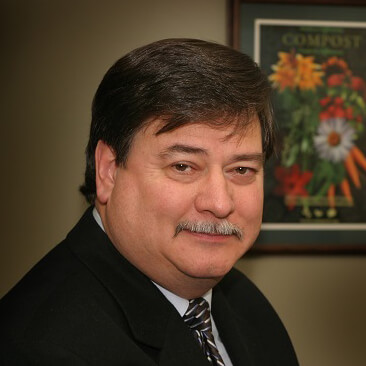 Greg Patterson
 Eric Lyons
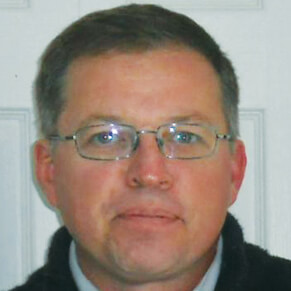 Scott Olan
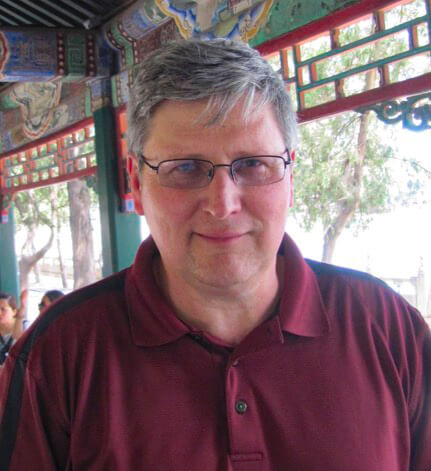 James White
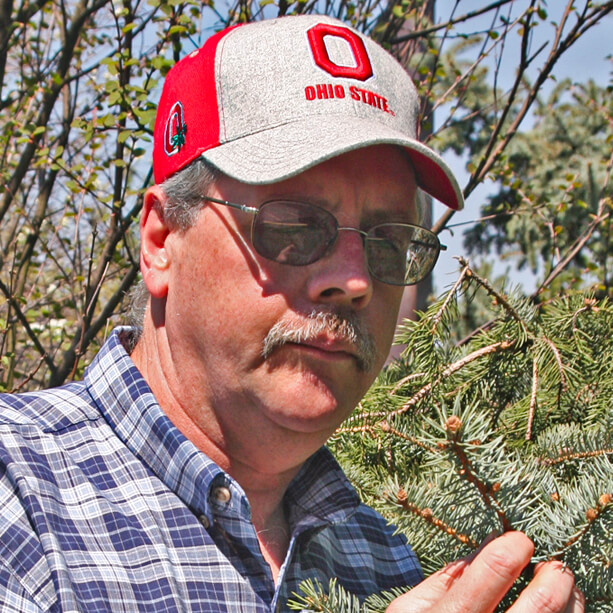 Joe Boggs
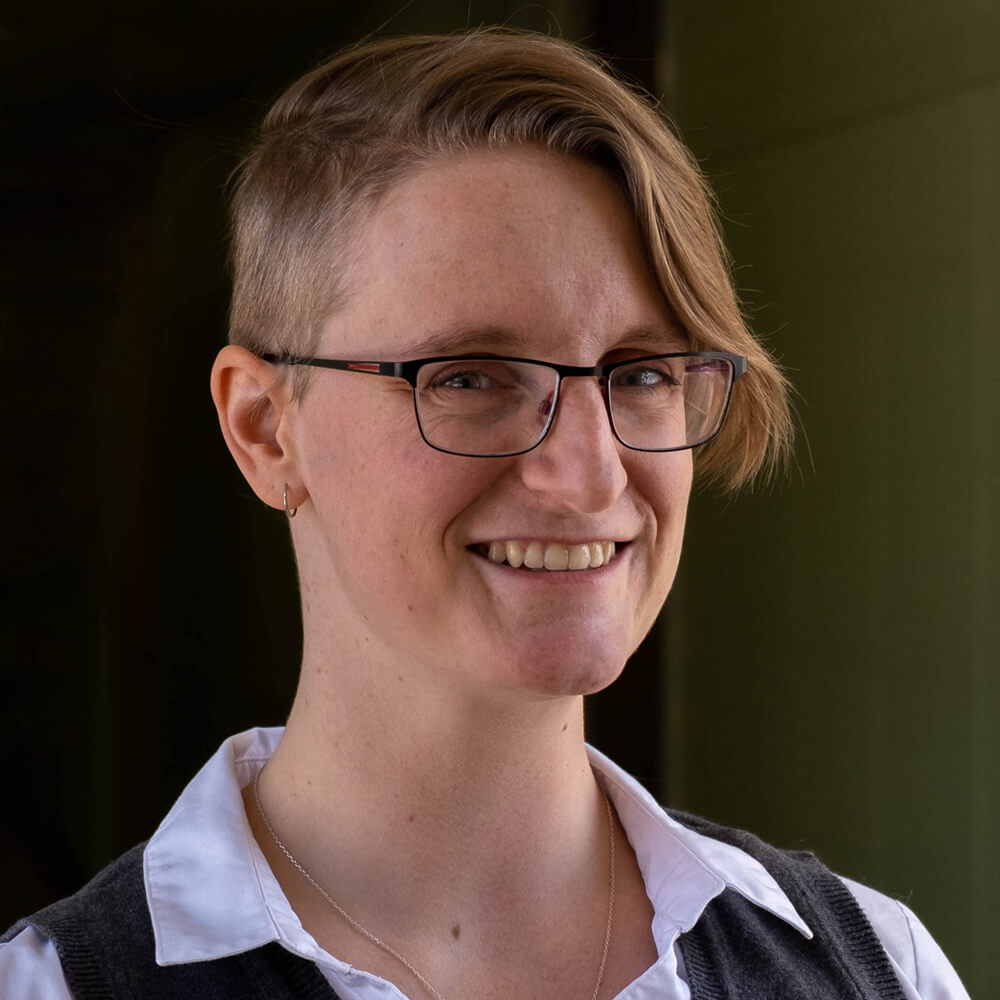 Sara Stricker
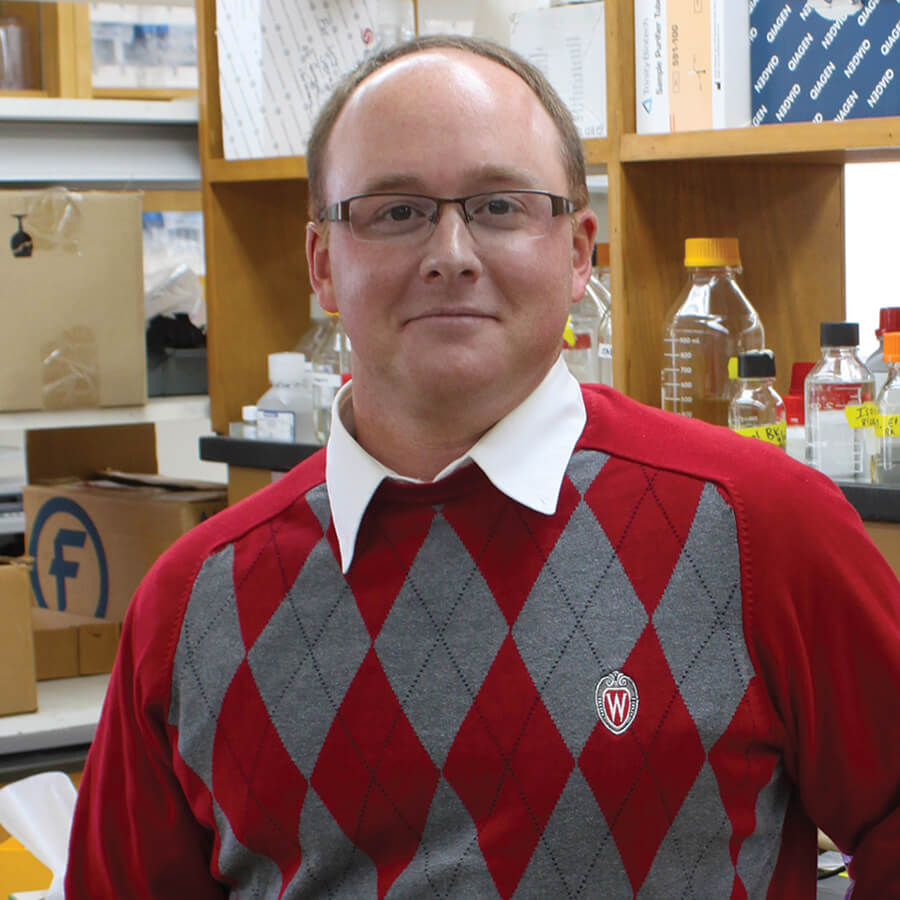 Paul Koch
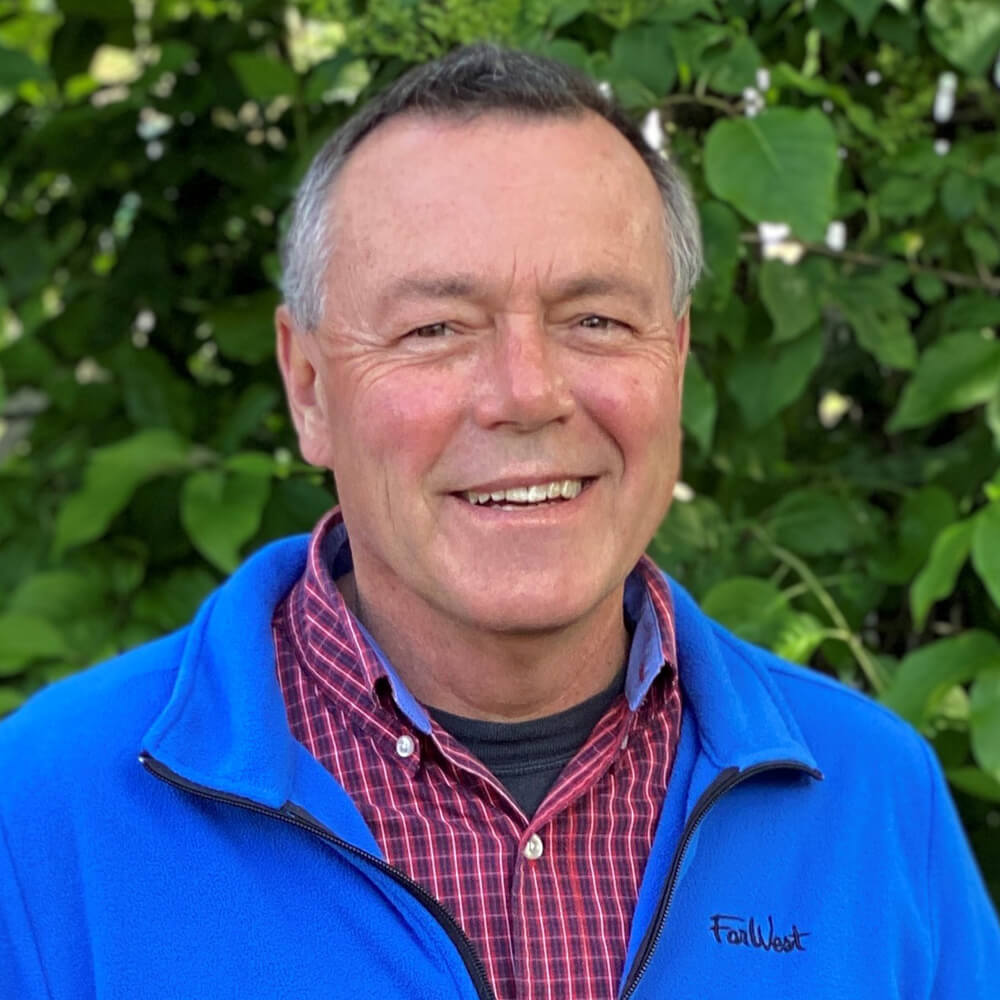 Rodger Tschanz