Over the past two weeks, there have been a number of new sightings and interceptions of the invasive Spotted Lanternfly (SLF), mostly along the Windsor/Detroit border. The Canadian Food Inspection Agency (CFIA) is currently following up on these observations and has not confirmed a population in Windsor, Ont., or anywhere else in Canada. You will receive communications from the Canadian Nursery Landscape Association (CNLA) and Landscape Ontario (LO) if a population is found and considered established.
Currently, Ontario growers face the highest risk, but growers across Canada and all landscape horticulture professionals are being asked to stay vigilant as SLF can spread via plants, vehicles and goods.
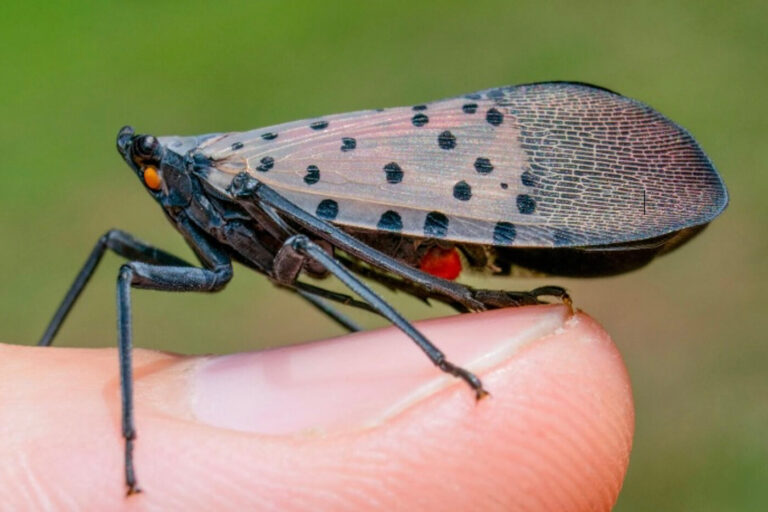
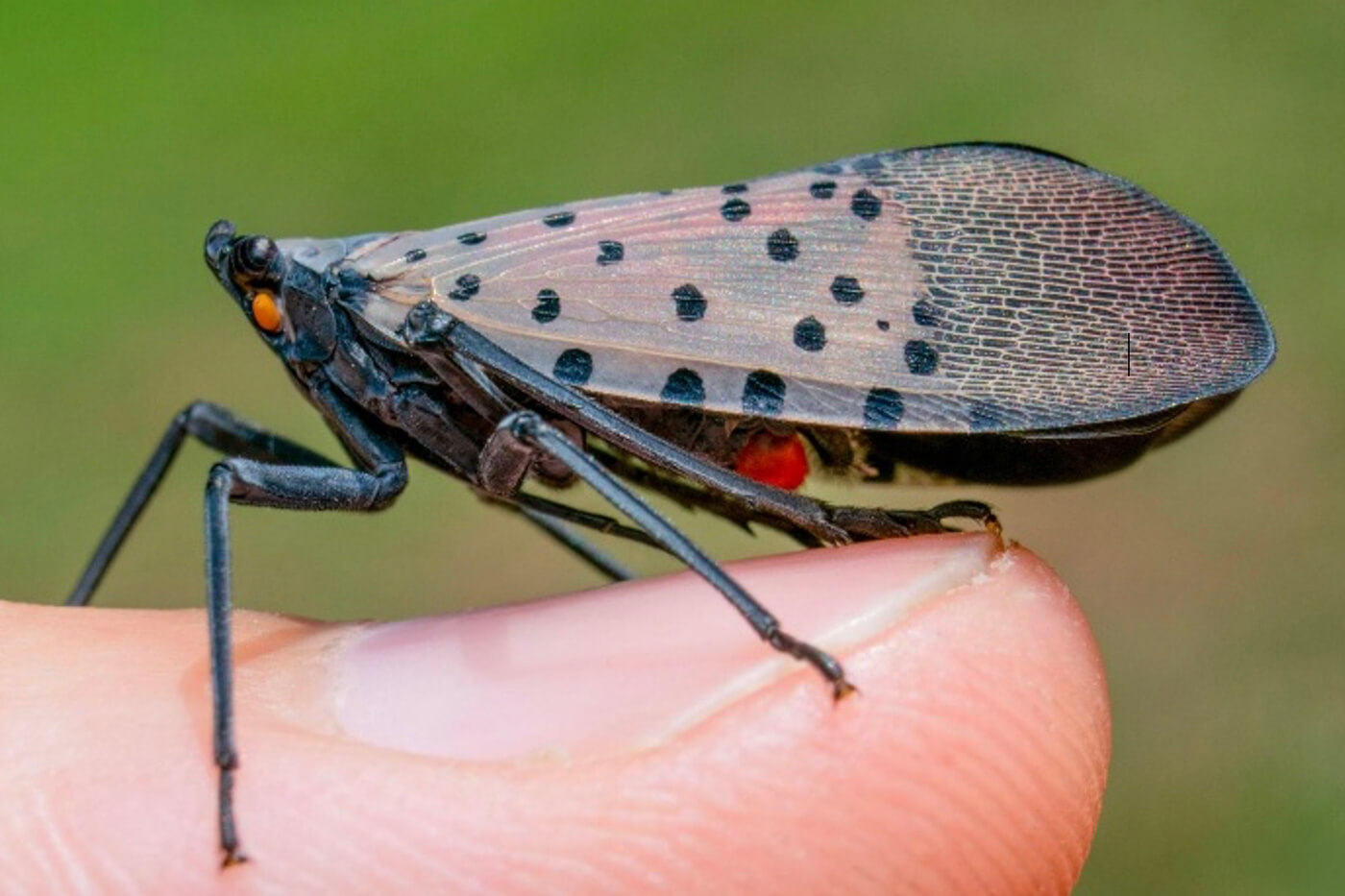
It’s important to remember that right now is a HIGH-RISK period for hitchhiking adult SLF. The adult phase of SLF is about 2-3 cm long; they have pinkish-grey wings with black spots and black veins at the tips. When the forewings are open, the bright red underwings become visible (for example, in flight). Egg laying starts around Sept 21. Look for 2.5 cm-long greyish, dried mud-looking secretions on natural and artificial surfaces outdoors.
Recommended steps to take right now
- Find a time to hold a 5-10 minute briefing with all staff (especially including any shipping/receiving staff) to refresh on what to look for and the importance of reporting it. A one-page handout and handy double-sided lifecycle/ID poster can be printed and shared with staff.
- Take the extra time to inspect everything (NOT JUST PLANTS) entering your facility from the eastern U.S. SLF has already been intercepted on shipments of pots this year and has been found in pallets and other shipping materials in the past. If you suspect you’ve found SLF, report it to CFIA.
- If you have preferred host plants near your growing or shipping areas (such as tree of heaven, grape vines, or black walnut), you are strongly encouraged to go scout these plants for adults.
- Take time this winter to review the Best Management Practices (BMPs) and, if you have not already, complete and implement a pest module at your nursery: Check back on the BMPs in the next few weeks as CFIA and CNLA are making some minor edits to these documents.
Once SLF is established in Canada, CFIA will set up regulated areas. If you end up within a regulated area, having an active and approved pest module in place not only ensures the plants you ship are free from any life stages of SLF, but also facilitates CFIA’s issuance of the domestic movement certificate required to ship to customers outside the regulated area.
Information about SLF biology, photos, scouting practices and more can also be found on the new OMAFA crop IPM website.
If you have staff who need training on identifying and reporting SLF, Landscape Ontario and the Ontario Ministry of Agriculture, Food and Agribusiness (OMAFA) are planning some additional SLF workshops in October. Registration details for the workshops will be shared soon.
Resources and links mentioned in this article
One-page staff briefing/handout
Double-sided lifecycle/ID poster
Best Management Practices (BMPs) website
OMAFA crop IPM website.
Report any potential SLF sightings to CFIA