Building a connected, standardized snow industry
By Gail Pope
 Proper winter management is the invisible shield that prevents life-threatening accidents, ensures vital accessibility and keeps people moving safely through the very worst of winter conditions. Without these critical services, entire cities would come to a stop. For over 25 years, Jeremy Kirkham has witnessed the positive impact proper snow management can have. For him, snow and ice management isn’t just a career, it’s an opportunity to create community.
“To me, it’s not about the action of clearing snow, which is something anyone can do,” Kirkham said. “What drives me is the strategy, figuring out the best routes and seeing the end product. I finally felt like I was doing what I was meant to.”
Kirkham, business development and client solutions specialist at Storm Solutions, was formerly the director of operations for Clintar Commercial Outdoor Services in Ottawa.
Clintar Commercial Outdoor Services Ottawa was recently highlighted through the second season of Storm Chasin’, a well-known docuseries co-produced by Storm Equipment and The SnowJobs Podcast that provides an unfiltered, behind-the-scenes look at the realities of the snow and ice industry, particularly the gruelling hours.
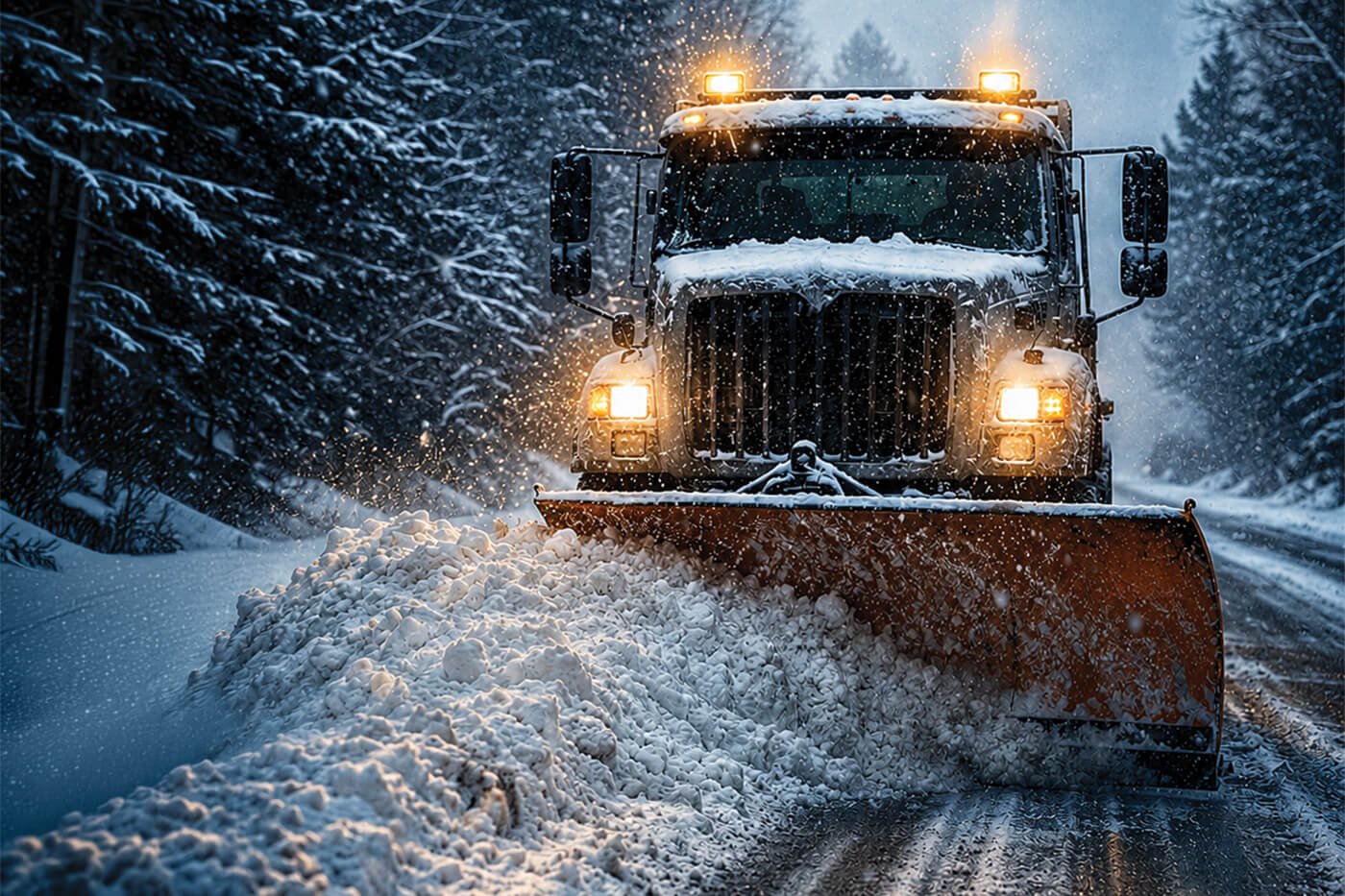
Through his time working in snow management, Kirkham has witnessed the dedication and sacrifice all crew members give each season. They work around the clock through holidays and special events to ensure the city can keep moving, a side of the industry that often goes unnoticed.
“It’s normal for an operator to be out plowing an area in the middle of the night and not see anyone for hours at a time,” he said. “The isolation can be a really difficult part of the job, which is why it is so important to have a strong community.”
Propelling the industry forward
Building that community has led to Kirkham volunteering on the board of Landscape Ontario’s Snow and Ice Management Sector Group.
“Being a part of a sector group is a commitment, but to me, it is more than worth it to give back to the industry that has given so much to me,” Kirkham said. “It’s important we continue to strengthen our community and show future generations that this is a viable and rewarding career.”
Landscape Ontario’s 10 sector groups address the specific needs of various landscaping and maintenance fields. These groups meet regularly to tackle sector-specific issues, initiate solutions and develop continuing education and networking events. Together, they’re creating support for one another and setting high standards to improve the industry as a whole.
Currently, the Snow and Ice Management Sector Group’s primary focus is creating a standardized training program for snow management across Canada. The Landscape Ontario Snow and Ice Management Training Program is a structured, multi-level accreditation system designed to enhance safety, environmental responsibility and operational excellence. Participants will receive a digital training passport verifying the courses they have completed.
Kirkham says implementing the standardization will lead to better pricing management, preventing property managers from simply chasing the lowest bid. The ultimate goal is to make the certification a requirement for all snow management contractors to ensure a fair, high-quality market for all businesses in the industry. “This will benefit every business, including Clintar, by giving teams the training they need to be confident in their day-to-day tasks. Just as plumbers follow established standards for replacing a pipe, the snow and ice sector will now have clear guidelines for everything from salting to shoveling, ensuring every business delivers a consistent standard of service.”
Another major hurdle the snow and ice sector continues to face is the ongoing salt shortage. This past winter, the cost of salt skyrocketed from roughly $100 a tonne to as much as $400 a tonne. Meanwhile, most contractors remained locked into fixed-price seasonal contracts, unable to adjust their pricing to match inflation.
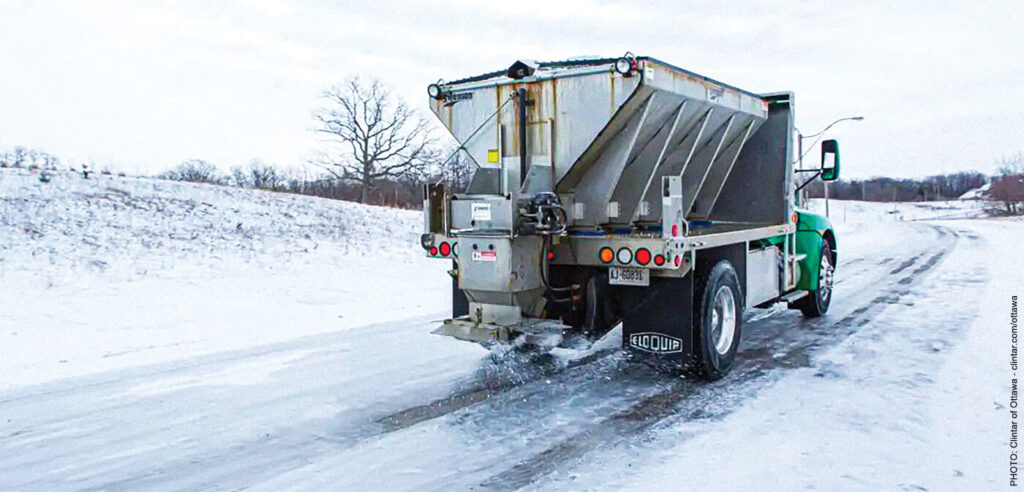
Kirkham, however, remains optimistic about the upcoming season, which is the third year his company will utilize liquid brining in their services. Brining is a modern practice that involves spraying a mixture of water and salt onto surfaces before a storm hits. Not only does this method reduce salt usage by up to 75 per cent, but it is also a highly effective and environmentally conscious approach.
“Almost 90 per cent of our properties last year were serviced with liquid brine,” Kirkham said. “It requires an upfront investment to switch over the equipment, but given the current state of salt prices, the long-term advantages are clear.”
Connecting pros at Snowposium
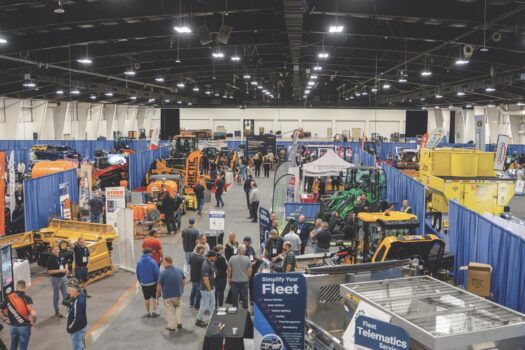
Methods like brining will be a big part of the discussion at this year’s Snowposium. The annual event hosted by Landscape Ontario’s Snow and Ice Management Sector Group is the country’s premier gathering of professionals, suppliers and manufacturers in the snow and ice management sector.
This year’s event at The International Centre in Mississauga, Ont., on July 22 includes a half-day conference designed to keep attendees up to date on government regulations, insurance issues and operational best practices. Topics and speakers are chosen by members of the sector group to ensure industry relevance and to align with the strategic goals of the group.
Over the past few years, volunteers on the sector group have also steered the timing of the event to coincide with the optimal time of year for snow and ice operators to access the latest equipment, technology and services for the season ahead. “It really is the perfect time to get together as a community to learn about the latest products or even just connect over shared challenges,” Kirkham said. “Whether you are attending the conference as a business owner or you’re a crew member looking for a new pair of heavy-duty gloves, there is something for everyone.”
This year, cutting-edge products like advanced liquid brine applicators and high-efficiency plows will be highlighted on the trade show floor.
Ultimately, networking is what Kirkham sees as the most important takeaway from these gatherings. For him, the opportunity to share stories, learn from peers and strengthen the bonds within the community is what truly drives the snow and ice management industry forward.